

The Benefits of Creating a Health-Driven Work Culture for Your Employees
Here's how leaders and employees benefit when companies invest in the health of their workforce.

What Business Leaders Can Offer to Keep and Develop Employees
Making the corporate ladder climbable for employees can increase diversity and profits.

Developing Leadership Within the Organization: A Strategic Investment
Leadership development is an investment that most organizations are doing to seize a competitive advantage in the market

How A Leader Can Build A Team of Leaders
"The Sage is self-effacing and scanty of words, when his task is accomplished and things have been completed, All the people say, 'We ourselves have achieved it!' "

4 Ways to Develop the Leaders You'll Need in the Future
One of the most challenging aspects of leadership development is consistently and effectively identifying the next wave of leaders.

A 3-Step Leadership Guide to Creating a Culture of Problem-Solvers
As leaders, how can we solve company problems effectively? We often have the urge to fix everything quickly, but is this system of problem-solving really sustainable?

8 Steps to Creating an Effective Leadership Development Program
Develop your company's current and future leaders for maximum success.

5 Strategies for Managing a Growing Team
The following five tips will help managers and project teams onboard colleagues as seamlessly as possible.
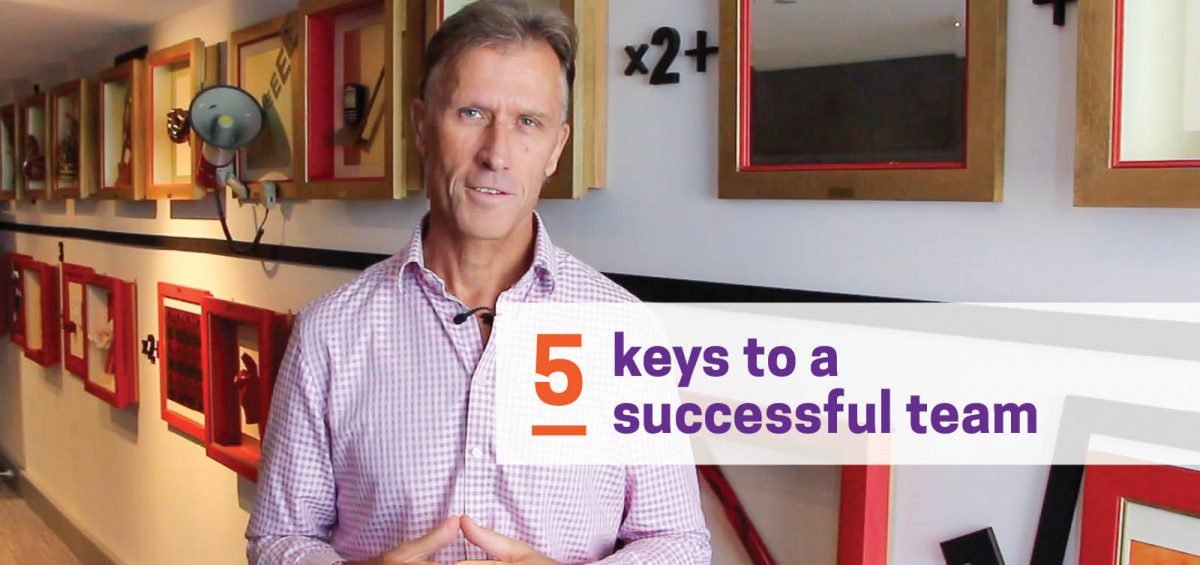
5 keys to building a successful team
As leaders we all aspire to build high-performing and successful teams. Having employees we can trust to execute on projects takes the weight off our shoulders and enables us to achieve outcomes that bring us closer to our company vision.

Seven Characteristics of Effective Team Building
In business, as in most human endeavors, the best teams win. To help your team succeed, here are the seven key characteristics of effective team building.

Cultivating Your Team
High-performance teams do not result from spontaneous combustion. They are grown, nurtured and exercised. It takes a lot of hard work and skill to blend the different personalities, abilities, and agendas into a cohesive unit willing to work towards a common goal.

The Importance Of Leadership Resilience
Following are leadership resilience development strategies to help executives navigate prolonged periods of uncertainty and model good self-care and adaptation habits.

Why building resilience is a top skill for the workplace
What does that mean for employees and leaders in the workplace? How does resilience play a part in company and employee well-being?

What is resilience?
Resilience is a quality that enables us to move forward after we’ve processed and accepted loss and change.

What Does It Mean to Be Resilient?
If you want to become more resilient, learn about the characteristics of resilient people and when and how to ask for help building resilience.

HOW TO BECOME A MORE RESILIENT LEADER
In today’s unpredictable landscape, leaders face new challenges, difficult decisions, and changing circumstances. To successfully navigate through times of uncertainty and lead your team to success, you need to be adaptable, proactive, and, perhaps most importantly, resilient.

5 Pillars of Resilience
Resilience is made up of five pillars: Self Awareness, Mindfulness, Self Care, Positive Relationships and Purpose.

Seven Characteristics of Resilient Leaders
Many things set great leaders apart from the rest. Often what sets extraordinary leaders apart is the ability to bounce back from setbacks.

Resilient leadership: Navigating the pressures of modern working life
Resilience is a crucial characteristic of high- performing leaders. Leaders must cultivate it in themselves in order to advance and thrive.They also carry the responsibility for helping to protect the energy of the people in their teams.

9 Tips For Social Interaction With Your Employees
If your workforce is happy, engaged and feels valued, then they’ll not only become brand advocates and do a great job, but they’ll also save you recruitment costs and help to drive the business forward.