

What is Commanding Leadership?
This post will focus on the commanding leadership style, explaining the pros and cons of using it in the workplace.

6 Types of Leader That Inspire Actions
A true leader understands it’s about “us” working together, not “you” working for them.


What Is Inclusive Leadership and Why Is It Important?
In this article, we answer the question, 'What is inclusive leadership?' and discuss the pros and cons of inclusive leadership with tips on becoming a more inclusive leader.

Inclusive Leadership: What Is It and How Do You Cultivate It?
Learn what inclusive leadership is, why addressing biases is so essential, the traits that characterize an inclusive culture, and five steps an organization can take to yield greater efficiencies and attract top talent.

Conflict Resolution Skills: Definition and Examples
In this article, we offer conflict resolution skills, steps to resolve conflict and examples of conflicts that can arise in the workplace.

How To Be Successful As a Virtual Team Manager
Working virtually is becoming more and more popular, and as teams are moving to remote work, management styles can change to adapt. Remote working can widen a manager's hiring pool by attracting more team members from other locations and in different situations than traditional office jobs. In order to capture this new talent, it's important to learn how to lead a virtual team effectively.
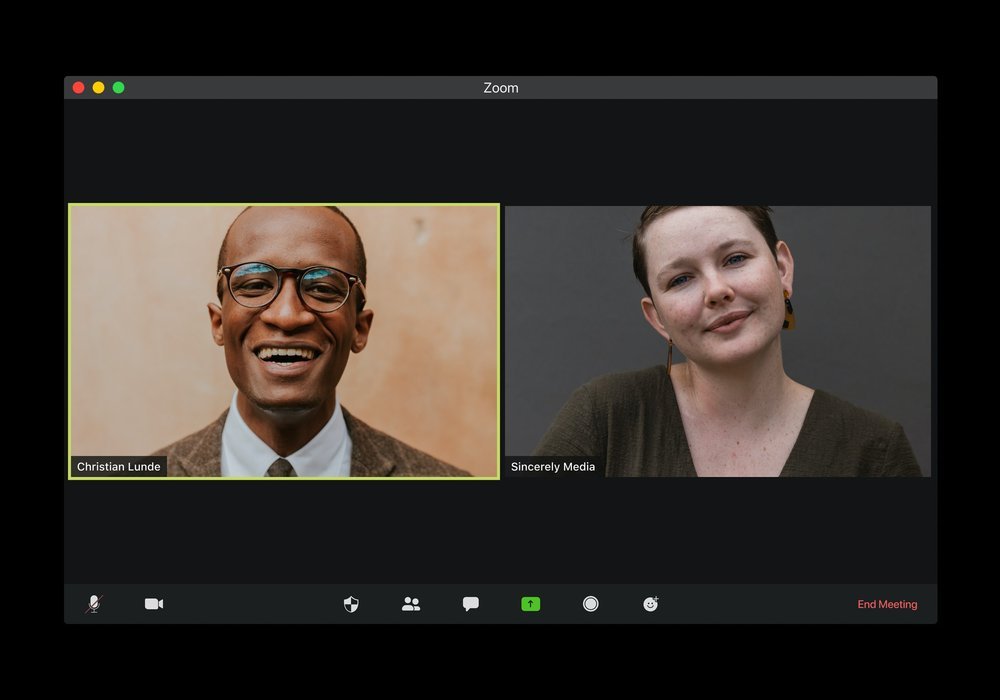
12 Tips for Leading a Virtual Team
Virtual teams are increasingly common and often include team members working from several different locations. An excellent virtual team leader can manage the unique challenges that may arise with employees working in different locations and inspire their team to thrive. If you are a virtual team leader, it's important to reflect on the strategies you use to manage your team.

How leadership trust guides high-performing teams
Leadership trust is a must-have for managers and other leaders.

Proven Ways to Earn Your Employees’ Trust
Trust is often talked about as the bedrock of a company’s success.

Managers: Are You Building a Culture of Trust?
We spend a third of our days at work on average. This work environment can either enhance or diminish employee morale and productivity in your company. Learning how to build trust with employees can improve productivity, engagement, and confidence.

The Best Ways for Coaching an Employee in the Workplace
Coaching in the workplace can be a very powerful tool in improving productivity, efficiency and accuracy on the individual and team levels. Understanding how to be an effective coach can help you better motivate, train and guide teams.

How To Be a Good Coach at Work
When performance coaching is implemented, it can have a significant positive effect on both your employees’ professional development and your company as a whole.

Positive Feedback: Why It's Important and How To Deliver It
Feedback is a tool used to reinforce positive behavior and support behavioral changes in the workplace.

How To Run a Business Meeting: Types and Best Practices
Understanding the functions of a business meeting and how to implement them effectively can add significant benefits to your company.

Encourage Participation in Team Meetings With This Agenda
For most teams, successful staff meetings start with active participation and clear objectives. With strong engagement, staff meetings can contribute to the advancement of company goals and the empowerment of team members to accomplish more at work.

Why Performance Management Is Important
Managing performance is essential to workplace success, but many teams need a strategy that goes beyond basic evaluations. Performance management incorporates a complete system of goals, reflections and rewards that encourages team members to do their best work.

How To Set Employee Performance Goals
Setting workplace performance goals can motivate employees to perform better and provide a basis to measure their performance.

Nonverbal Communication: 9 Types and How To Read and Use It
Having strong communication skills is essential for building both personal and professional relationships.

Training a Multigenerational Workforce is Simpler Than You Think
We have the most age-diverse workforce in modern history, spanning four (occasionally even five) different generations. The need to cater to different learning styles and attitudes on both an individual and generational level keeps L&D leaders up at night.